

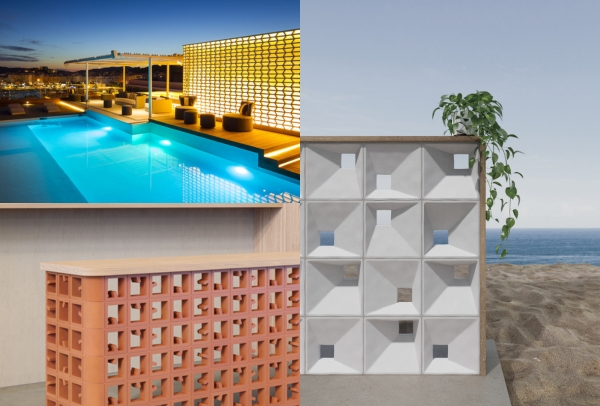
Looking to add character to your home while keeping things functional and timeless? Breeze blocks might be the design solution you didn’t know you needed. These decorative building elements aren’t just a nod to retro aesthetics. They’re making a serious comeback in modern architecture and home design. Whether used as a privacy screen, a stylish partition, or a statement wall, breeze blocks combine beauty with purpose, indoors and out.
Let’s explore what breeze blocks are, what they’re used for, and how clay breeze blocks, like the ones made from terracotta or ceramic, can add value to your space.
What is a breeze block?
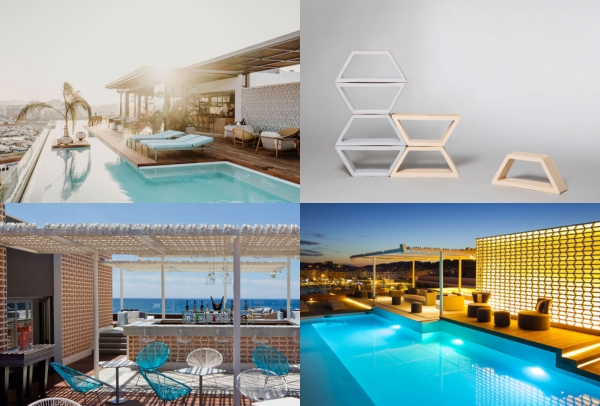
A breeze block is a hollow, decorative building unit that allows air and light to pass through while offering partial privacy and structure. Also known as screen blocks or celosias, they were first popularized in the mid-20th century and are now celebrated for their bold patterns and architectural flair.
Unlike traditional concrete blocks, clay or terracotta blocks like Verso, offer a more refined, earthy texture & perfect for homeowners who want to add a warm, Mediterranean feel to their space.
What is the purpose of breeze blocks?
Breeze blocks are the perfect fusion of form and function. Their openwork design offers:
- Ventilation: They allow air to circulate, making them ideal for warm climates or humid spaces like gardens and balconies.
- Privacy: They provide visual separation without completely blocking light or views.
- Shade: When used as facades or walls, they soften harsh sunlight while creating beautiful shadow patterns.
- Aesthetic appeal: Their geometric shapes add rhythm and style to any surface — from fences to feature walls.
In short, they’re an effortless way to turn a plain wall into an architectural feature.
What can you build with clay breeze blocks?
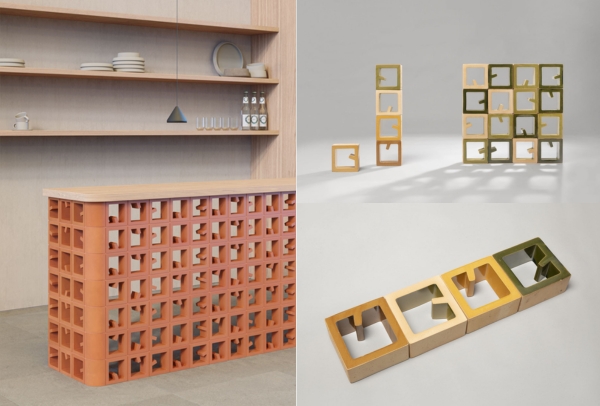
Terracotta or ceramic blocks like Norfeu are not just pretty, they’re versatile and durable. Here are some creative ways to use them around the home:
- Room dividers: Perfect for separating open-plan interiors without closing off the space.
- Feature walls: Add visual interest to patios, staircases, or hallways.
- Balcony enclosures: Maintain airflow while adding safety and privacy.
- Fireplace surrounds: A chic, textural element for both modern and rustic styles.
- Planter walls: Combine structure and greenery by integrating breeze blocks with plants.
Because clay blocks are naturally breathable and fire-resistant, they’re especially well-suited to both interior and exterior applications.
Using breeze blocks in outdoor spaces
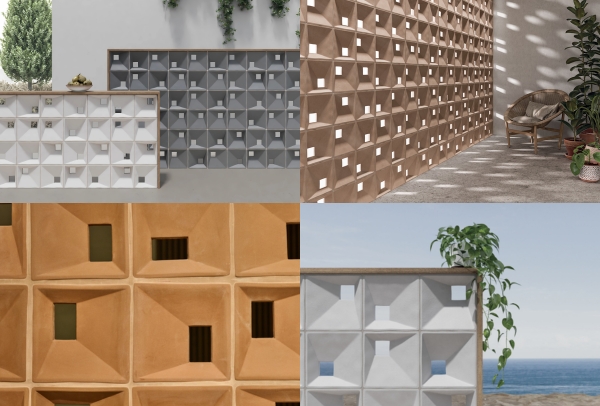
Breeze blocks shine outdoors & literally. Their perforated designs play with sunlight to cast ever-changing shadows throughout the day, creating dynamic facades and cozy corners.
Some outdoor ideas homeowners love include:
- Garden walls: Define areas without completely closing them off.
- Pergola sides: Combine with wood or metal to create shaded zones for lounging or dining.
- Outdoor showers: Add privacy with style in beach houses or poolside areas.
- Entrance features: Create a sense of arrival by framing walkways or doors with patterned blocks.
Thanks to their durability and weather resistance, terracotta blocks such as Castello, age beautifully, taking on a rich patina over time that enhances their charm.
Why they deserve a spot in your next home project
Whether you’re planning a small weekend upgrade or a larger home transformation, blocks offer a smart and stylish way to bring texture, privacy, and personality into your space. With their earthy tone, openwork patterns, and timeless appeal, clay blocks are a versatile design element that suits both traditional and contemporary homes.
Ready to let your walls breathe? Breeze blocks are here to stay and they’re cooler than ever.